



4D / 3N
MYSTIC MARDIN TOUR 3 NIGHT 4 DAY
From
$620.00
/ person
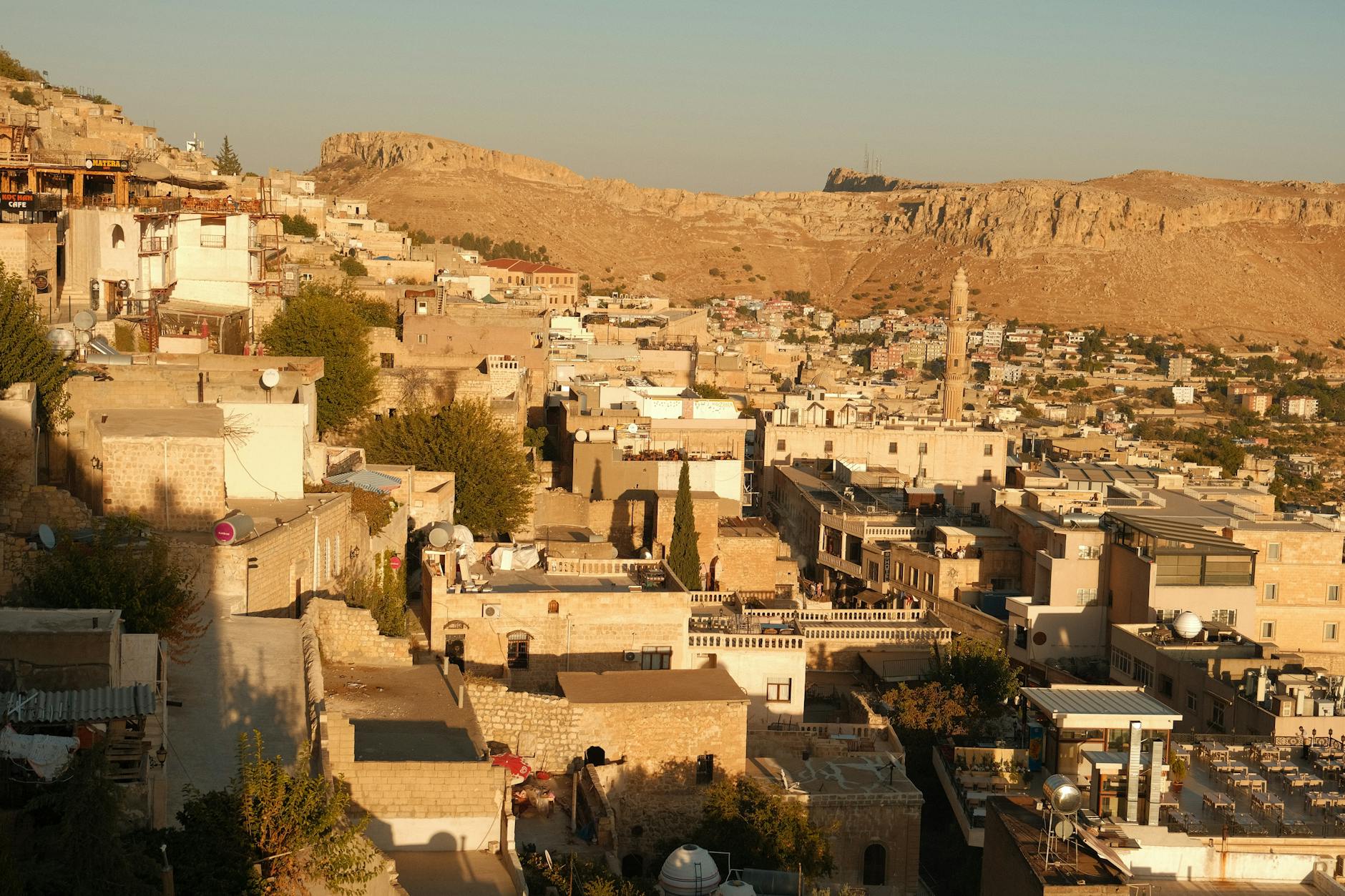
1 / 3
Duration
4D / 3N
Capacity
1 - 15 pax
What's Included
Inclusions
- * 3 nights accommodation in 4★ hotels
- * Breakfasts
- * All transfers according to the program
- * Guided sightseeing tours
- * Russian-speaking guide
Exclusions
- * Flights
- * Lunches & Dinners
- * Entrance fees
- * Personal expenses
Itinerary
4 days planned
1
Day 1
Day 1
Arrival at Diyarbakır Airport and transfer to Mardin (94 km)
Hotel check-in
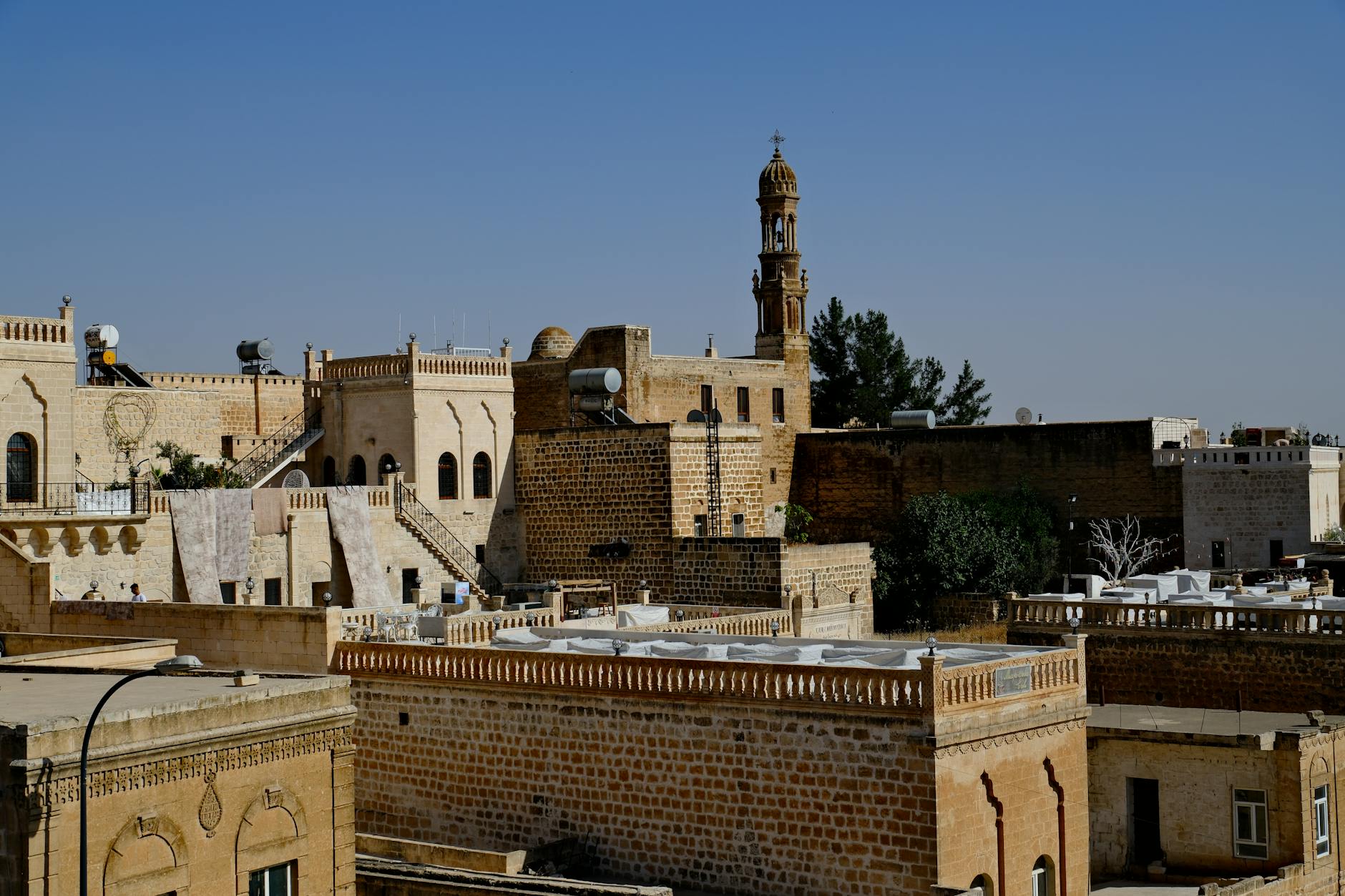
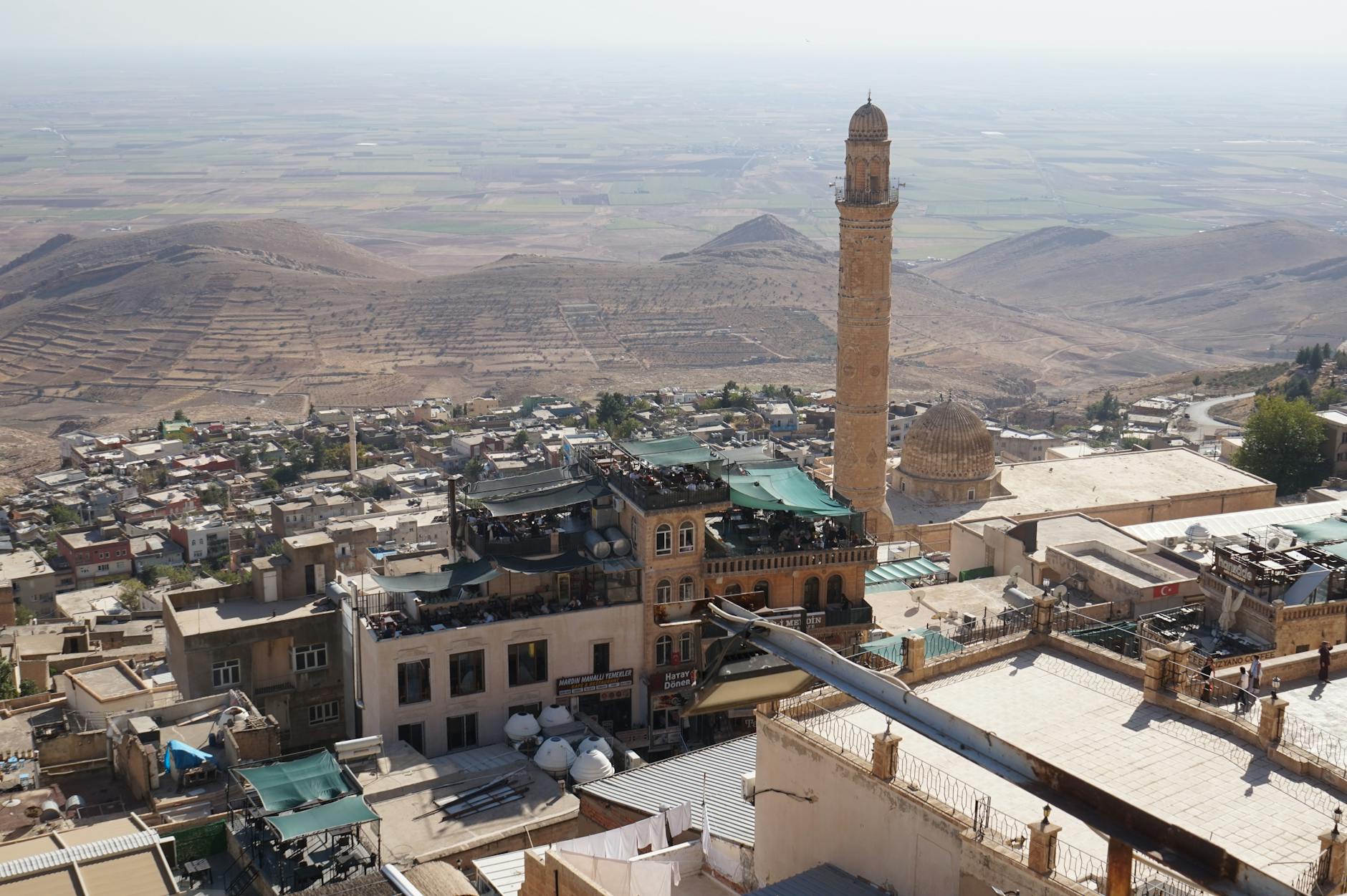
Mardin City Tour:
* Old Town
* Governor's Mansion
* Historic Post Office
* Traditional Bazaar
* Ulu Mosque & Latifiye Mosque
* Kirklar Church
* City Museum
* Zinciriye Madrasa (panoramic viewpoint)
After lunch:
* Kasımiye Madrasa
* Deyrulzafaran Monastery
Dinner
2
Day 2
Day 2
ANCIENT CITIES
Breakfast
* Dara Ancient City
* Nusaybin
* St. Jacob Church
Lunch at Beyazsu
After lunch:
* Mor Evgin Monastery
Return to the hotel
Dinner
3
Day 3
Day 3
MIDYAT & HASANKEYF
Breakfast
Midyat:
* Old Town
* Historic Churches and Monasteries
* Midyat Guest House (famous filming location)
Hasankeyf:
* Ancient City on the Tigris River
* Cave Settlements
Return to the hotel
Dinner
4
Day 4
Day 4
DIYARBAKIR
Breakfast and check-out
Diyarbakır City Tour:
* City Walls
* Historic Mosque
* Caravanserai
* Museum
* Virgin Mary Church
Lunch
Transfer to the airport
Departure
Things to know before you go
A journey into the heart of Mesopotamia — where ancient cities, monasteries, and civilizations intertwine through thousands of years of history.
Route:
Diyarbakır – Mardin – Dara – Nusaybin – Midyat – Hasankeyf – Diyarbakır
Accommodation: 4★ Hotels
Meals: Breakfasts & Dinners
Want a private experience?
This tour can be fully customised for your group or family.
Chat on WhatsApp
Starting from
$620.00 / person


Your trusted travel partner based in Alanya, Turkey. Unforgettable journeys, seamless service, every time.
Address
Alkü Hastane Cad, Oba, No: 17 Blok C
İç kapı No: 1, 07400 Alanya / Antalya
İç kapı No: 1, 07400 Alanya / Antalya
Lisanslı & Akredite Kuruluş
 TURSAB DVS
 Health Türkiye
Our Services
Contact Info
WhatsApp
Email
Telephone
Location
Alanya / Antalya, Turkey
Copyright 2026 © Statum Travel. All Rights Reserved. | Created by Kipman Medya
Accepted Payments
VISA