
3 gün / 2 gece
IŞIKLAR D
Kimden
$350.00
/ kişi
1 / 16
Süre
3 gün / 2 gece
Kapasite
1 - 15 kişi
Seyahat programı
3 gün planlandı
1
1. Gün
1.GÜN
Sabahın erken saatlerinde Alanya’dan misafirlerimizi alıyoruz ve Özdilek Alışveriş Merkezi’nin önüne doğru yola çıkıyoruz; burada Antalya bölgesinden gelen misafirlerimizle ve tur rehberimizle buluşacağız. Saatin erken olması nedeniyle, tur liderimiz araçta sıcak içecekler ve küçük bir ikram sunuyor.
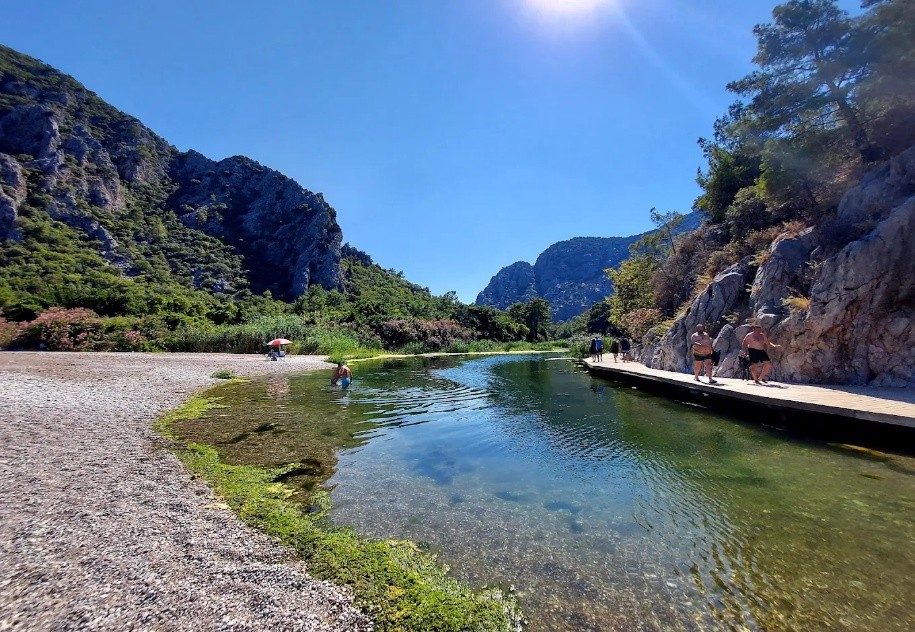
Antalya’daki buluşma noktamızdan sonra, günün ilk saatlerini geçireceğimiz Olympos Antik Kenti’ne doğru yola çıkıyoruz. Olympos’taki yerel restoranlarda kahvaltı molamızı verdikten sonra, rehberimiz eşliğinde Olympos Antik Kenti’ni gezmek üzere yürüyüş rotamıza başlıyoruz.
Olympos, Antalya’nın güney kıyısında Phaselis’ten sonra ikinci önemli liman kentidir. Adını, 16 kilometre kuzeyinde bulunan Toros Dağları’nın batı uzantılarından biri olan Tahtalı Dağı’ndan alır; bu isim "yüksek dağ" anlamına gelir. Kuruluş tarihi kesin olarak bilinmemekle birlikte, MÖ 167-168 yıllarında basılan sikkelerde adı geçen Olympos, Likya Birliği’nde üç oy hakkına sahip altı şehirden biridir. Şehrin kalıntıları, Antalya’nın Kemer ilçesinde, Beydağları Kıyı Milli Parkı sınırları içinde yer almaktadır.
Olympos, Likya Birliği’nin önemli yerleşim merkezlerinden biri olarak kabul edilir. Komutan Servilius Isauricus, Helenistik dönemde kurulan bu kenti korsanlardan temizlemiş ve MÖ 78"de Roma topraklarına katmıştır. Şehir, bugün Yanartaş olarak bilinen kendiliğinden yanan ateşiyle ün kazanarak önemli bir dini merkez haline gelmiştir; Roma ve Bizans dönemlerinde de bu önemini korumuştur.
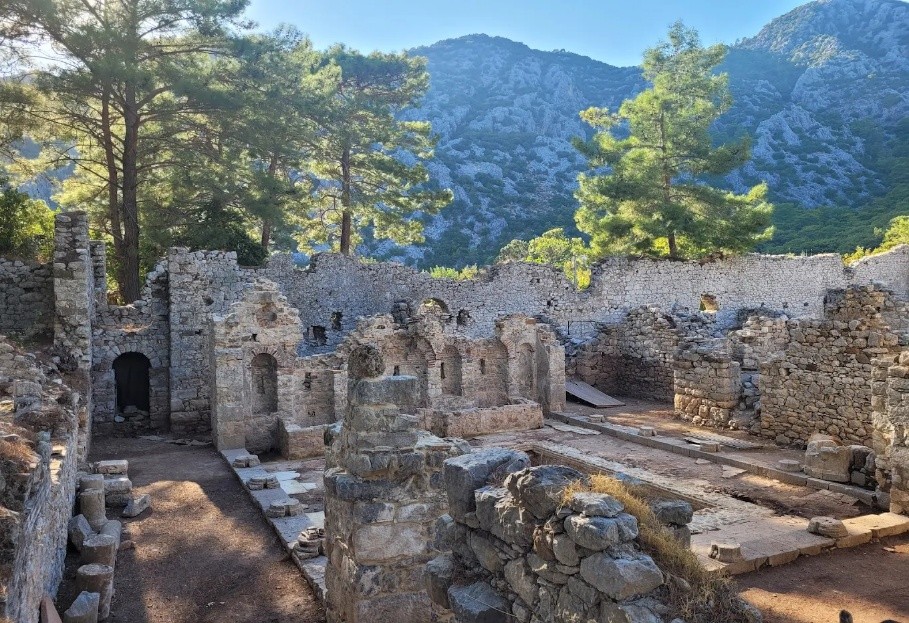
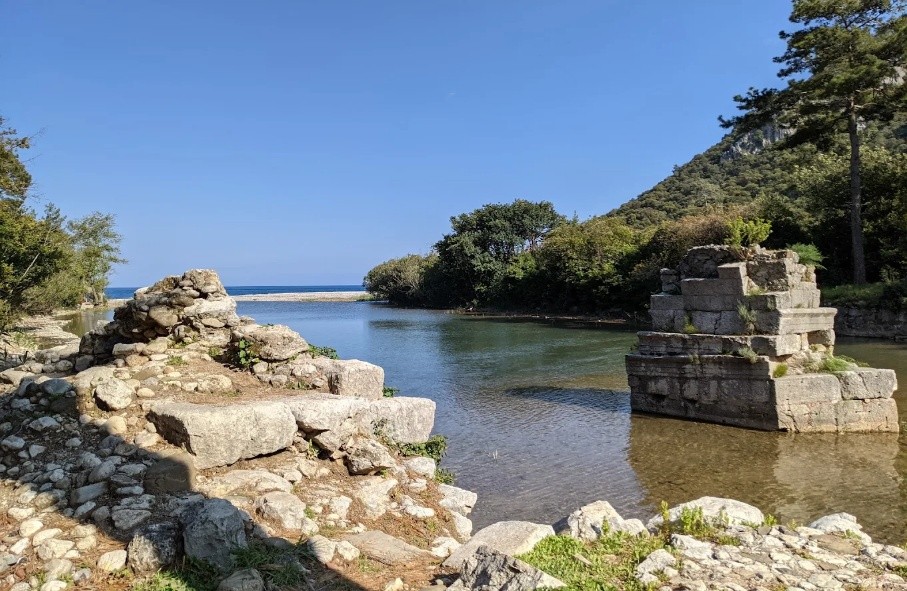
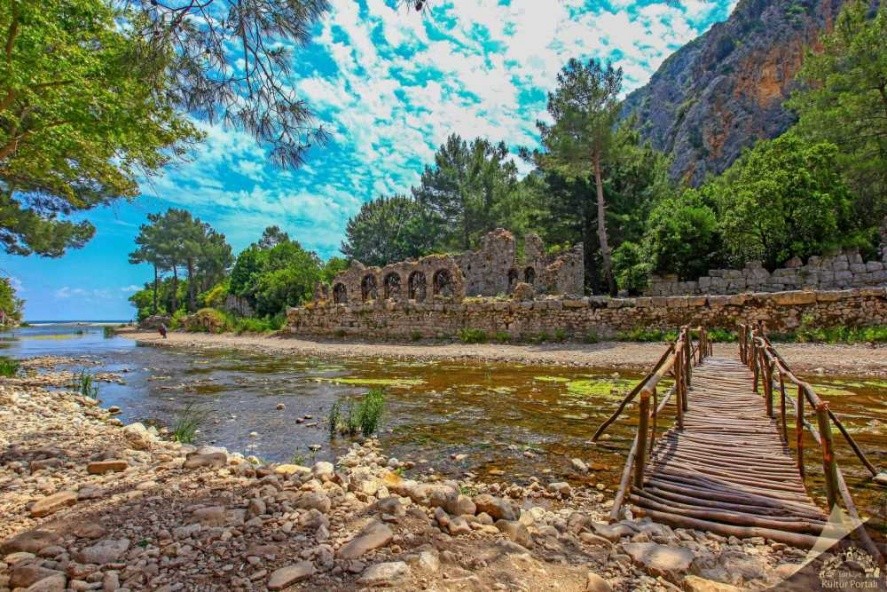
Şehrin günümüze ulaşan kalıntılarının çoğu, ağaçlar ve çalılarla kaplı ormanlık alanda yer almakta olup Helenistik, Roma ve Bizans dönemlerine aittir. Bu kalıntılar genellikle doğudan batıya doğru denize hızla akan bir nehrin ağzında ve her iki kıyısında yer almaktadır. Antik çağda, şehri ikiye ayıran nehir yatağı bir kanal ile çevrelenmişti; kanalın her iki tarafı iskele olarak kullanılıyordu ve birbirlerine bir köprü ile bağlanıyordu. Günümüzde köprünün bir ayağı hâlâ yerinde durmaktadır. Nehir ağzının yakınında yer alan küçük ve dik akropolde, daha geç dönemlere ait yapı kalıntıları bulunmaktadır. Nehrin güney kıyısında bulunan, Helenistik temellere ve Roma dönemine ait restorasyonlara sahip küçük tiyatro oldukça harap durumdadır ve girişin sadece bir tarafı iyi korunmuştur.
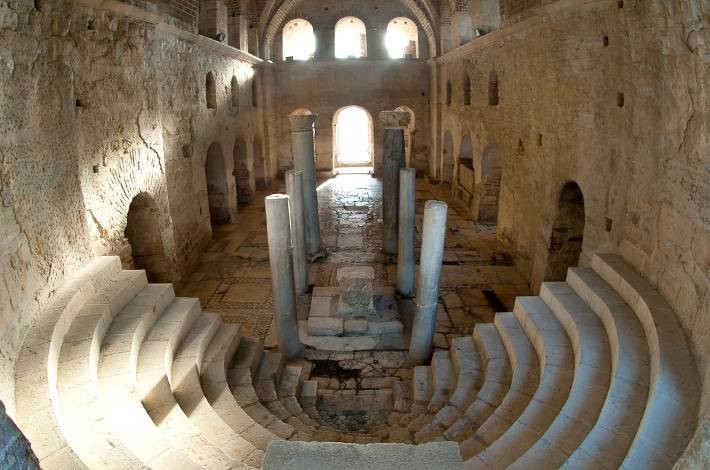
İç duvarları fresklerle süslenmiş Bizans kilisesi, bölgedeki en anıtsal kalıntıdır. Şehrin göze çarpan bir diğer önemli yapısı ise nehir ağzının batısında yer alan tapınak kapısıdır. Bu kapı, İyonik tarzdaki küçük bir tapınağa ait olduğu tespit edilen mimari parçalar arasındadır; kapının önündeki heykel kaidesinden, tapınağın Roma İmparatoru Marcus Aurellius (MS 172-173) adına inşa edildiği anlaşılmaktadır.
Kalıntılar arasında en ilgi çekici olanı, Antalya Müzesi tarafından yürütülen kazılar sırasında gün yüzüne çıkarılan Kaptan Eudomus’un Lahit’idir. Nehir ağzının hemen yanındaki kaya oyuğunda yer alan lahit, duygusal ve şiirsel adanma yazıtında kaptanın adını vermesi ve uzun kenarındaki gemi kabartmasında geminin şeklini tasvir etmesi nedeniyle büyük önem taşımaktadır.
Olympos Antik Kenti ve çevresi, ünlü Likya Yolu yürüyüş rotasının 7,5 kilometrelik bir etabını oluşturmaktadır. Olympos’un doğusunda, plaja üç yüz metre uzaklıkta, Caretta caretta kaplumbağalarının yumurtalarını bıraktığı muhteşem plajı ve birçok bitki türünün yaşadığı kıyı kumullarıyla ünlü Çıralı yerleşimi yer almaktadır. Şehrin birkaç kilometre güneybatısında, hiç sönmeyen ateşi ile efsanelere konu olan Yanartaş yer almaktadır.
Olympos, UNESCO Dünya Mirası Listesi’ne önerilen "Likya Medeniyetinin Antik Kentleri" (2009) arasında yer almaktadır.
Olympos Antik Kenti ziyaretimizin ardından Demre’ye doğru yola çıktık.
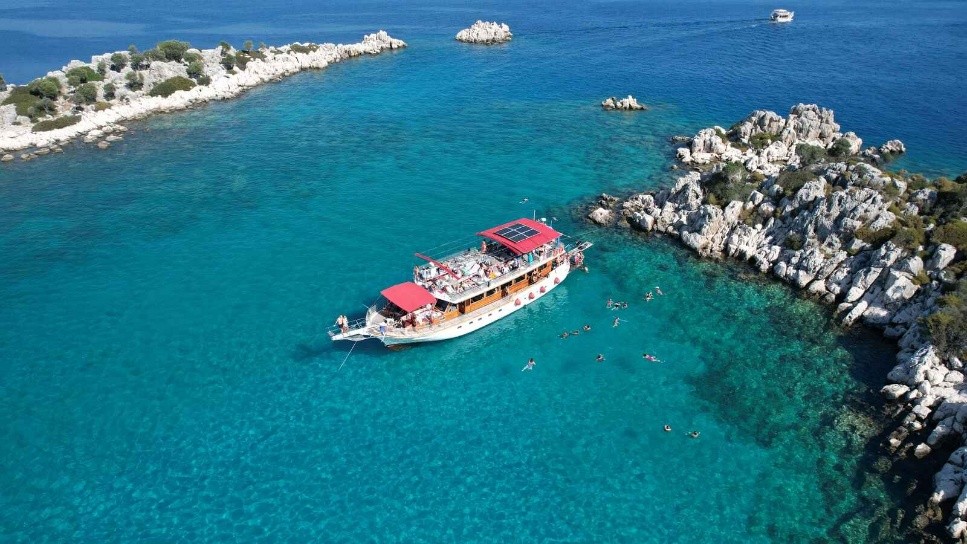
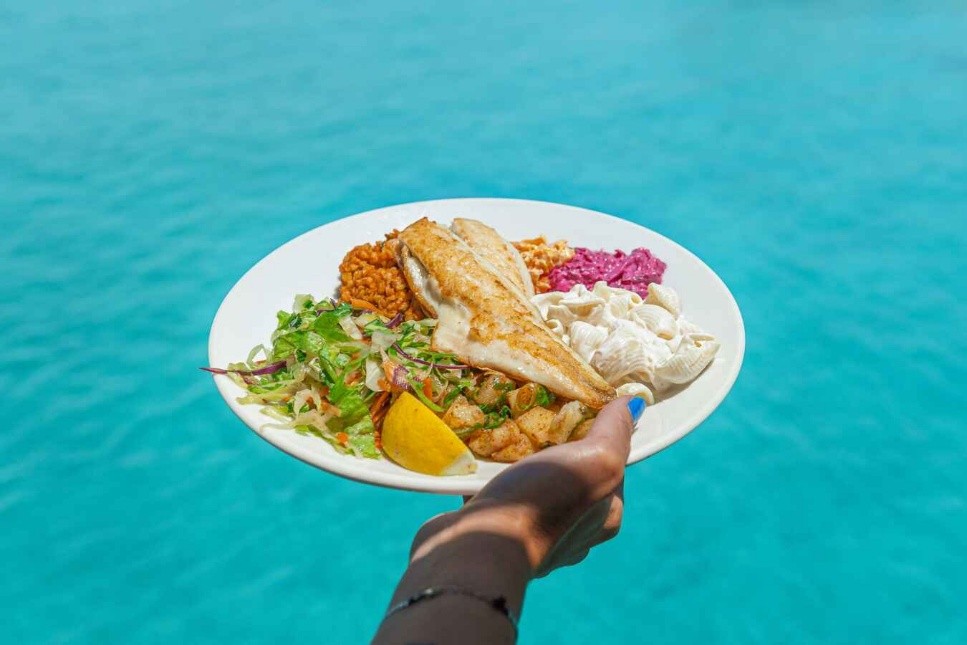
İlk durağımız, Kekova Adası’na yapılacak tekne turu. Yaklaşık 2 saat sürecek koylar turumuz sırasında teknede öğle yemeğimizi yiyeceğiz (salata-patates kızartması-balık veya tavuk).
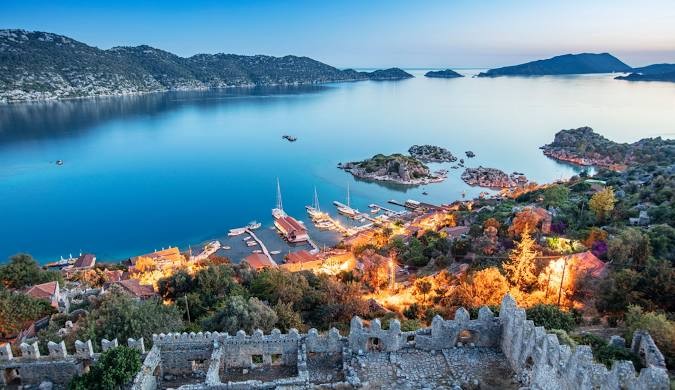
Antalya’nın Demre ilçesinde bulunan Kekova, bir şehir veya antik kentten ziyade bir bölgenin adıdır. Bölgeye adını veren Kekova, bölgedeki en büyük adadır. Kekova Adası kıyıya kadar uzanarak bir boğaz oluşturur. Antalya’nın yaklaşık 200 kilometre batısında, Fethiye’nin ise 250 kilometre doğusunda yer alır. Kekova, pitoresk adalar ve sayısız koydan oluşan bir bölgedir. Bölgenin tamamı Likya dönemine ait antik kalıntılarla doludur.
Kekova Adası’nın çevresinde birçok batık şehir bulunmaktadır. Bölge, Likya alfabesiyle yazılmış yazıtların bulunduğu mezarlar, kıyıdaki suda yer alan Likya tipi lahitler, dalgakıranlar ve bina kalıntıları, ortaçağ kalesinin içindeki kayaya oyulmuş bir tiyatro, kaya mezarları, su sarnıçları, kuzeyde lahitlerden ve az sayıda kaya mezarından oluşan bir nekropol alanı ile hemen yanında yer alan Üçağız (Theimiussa) ve Kaleköy (Simena) arkeolojik yerleşim yerleri ile zengin bir tarihi mirasa sahiptir.
Kültürel özelliklerinin yanı sıra Kekova, çok önemli jeolojik oluşumları, dalgalı kıyı şeridi, hidrobiyolojik özellikleri ve bitki örtüsüyle eşsiz bir doğal güzelliğe sahiptir. Tarihi, kültürel ve doğal özellikleriyle dünya mirası olarak önerilen Kekova, 2000 yılından beri UNESCO Dünya Mirası Geçici Listesi’nde yer almaktadır.
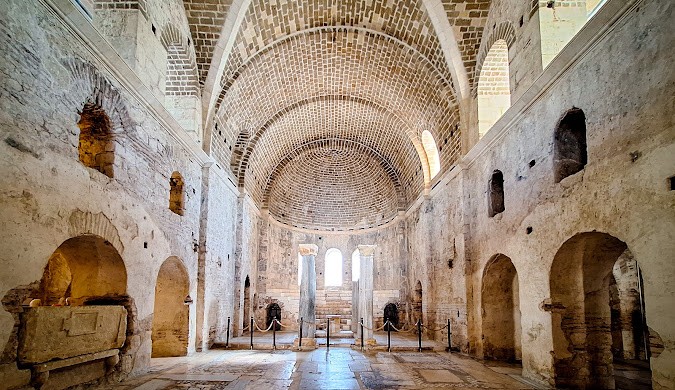
Kekova tekne turunun ardından arabamıza binip Demre’deki Aziz Nikolaos Kilisesi’ni ziyaret etmek üzere yola çıkıyoruz.
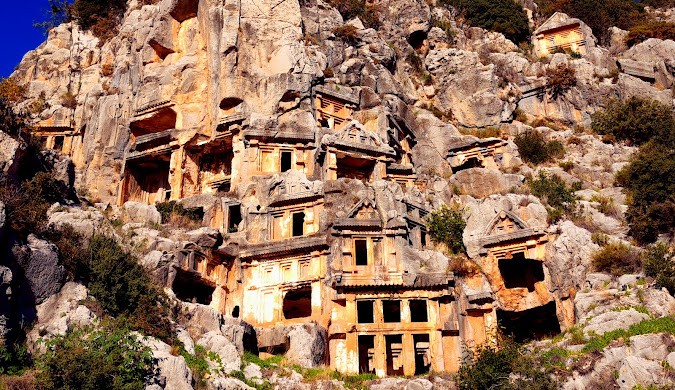
Kaş ile Finike arasında yer alan Myra, Aziz Nikolaos piskoposluğu sayesinde Orta Çağ boyunca ününü korumuştur. Üç oy hakkına sahip Likya Konfederasyonu’nun altı önemli kentinden biri olan Myra, adını kurulduğu yer olan Myros Nehri’nden (Demre Deresi) almıştır. Şehrin su ihtiyacı, Demre'nin kenarındaki kayalara oyulmuş bir kanal sistemi ile karşılanıyordu. Şehre hayat veren Demre Deresi, pek çok antik kentte olduğu gibi, zamanla getirdiği alüvyonlarla şehrin sonunu hazırladı.
Myra, M.S. 7. yüzyıldan itibaren var olmuştur. 9. yüzyıla kadar süren Arap akınlarının ardından, 809 yılında ele geçirilmiş ve önemini yitirmiştir. En parlak dönemi, M.S. 408-450 yılları arasında, II. Theodosius döneminde yaşanmıştır. Bu dönemde Lykia’nın "metropolü", yani başkenti haline gelen Myra, Çayağzı bölgesindeki liman kenti Andriake ile denize uzanarak ticaret alanında öne çıkmıştır.
Lykia Konfederasyonu’na ait sikkeler arasında, Myra adına basılmış bazı sikkeler de bulunmuştur. Aynı zamanda "Büyük Ana Tanrıça’nın yeri” anlamına da gelen Myra’nın sakinleri, ana tanrıça Artemis’e inanıyordu. Sikkelerde Artemis, Anadolu’nun en eski tanrıçası Kybele’nin suretinde tasvir edilmiştir.
Yukarıdaki kaya mezarları üzerine inşa edilen antik tiyatro, aşağıya doğru genişlemektedir. Her iki yandaki kabartmalar ve nehir nekropolündeki mezarlardaki kabartmalar görülmeye değerdir. Roma döneminden kalma bu muhteşem tiyatro, günümüze kadar ayakta kalmış az sayıdaki antik tiyatrodan biridir.
Demre gezimizin sonunda, sabahın erken saatlerinden beri sürdürdüğümüz bugünkü turumuzun son durağı olan ve konaklayacağımız Kaş’a doğru yola çıkıyoruz.
Akşam yemeği otelde.
2
2. Gün
2. GÜN
Otelde kahvaltının ardından Kaş merkezine doğru yola çıkıyoruz.
Antiphellos antik kenti üzerine kurulan Kaş merkezi, 1800'lü yılların sonlarına doğru Meis’te yaşayan bazı Yunan aileler tarafından inşa edilen evlerle bir yerleşim merkezi haline geldi. 80'li yıllara kadar küçük bir balıkçı kasabası gibi görünüyordu. Önce yabancı turistler, ardından da yerli turistler tarafından keşfedilmesinin ardından alternatif bir tatil beldesi haline geldi. Alternatif bir yer olarak kalmasının en büyük nedeni, buraya araba ile ulaşmanın çok zor olmasıydı.
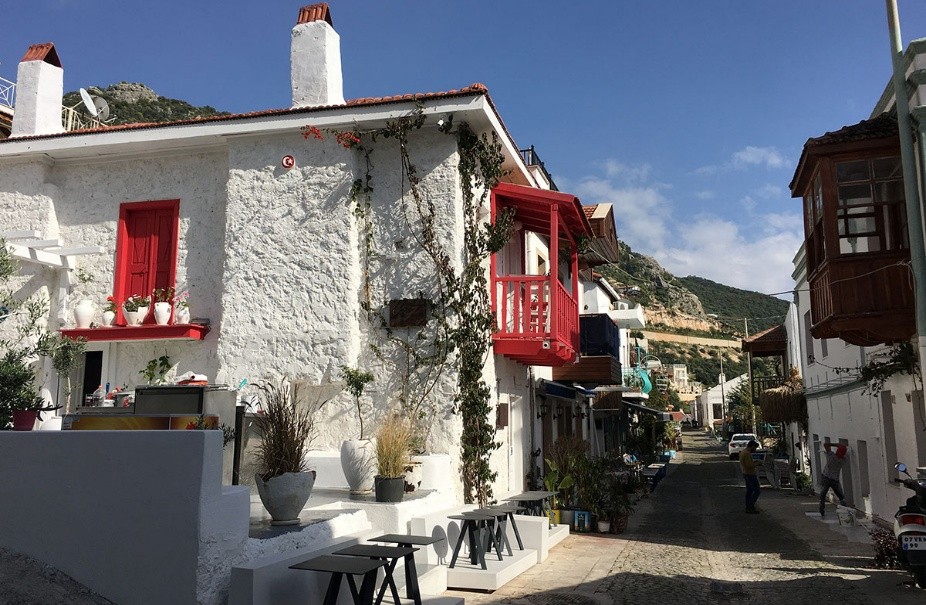
Kaş merkezinde yaklaşık 1 saat süren yürüyüş turumuzun ardından Kalkan’a doğru yola çıkıyoruz. Kaş’a 25 km uzaklıkta bulunan Kalkan, Kaş’ın bir mahallesi olarak kabul edilir. Meis’te yaşayan Yunanlılar tarafından kurulan bu yerleşim yeri, 1920 yılına kadar “Kalamaki” adını taşımıştır.
Kalkan, düzenli, temiz ve korunmuş bir atmosfere sahiptir. Hepsi boyanmış ve bakımlı tarihi Yunan evleri, otel, restoran ve dükkan olarak kullanılmaktadır. Eski Yunan evlerinin arasında ve trafiğin olmadığı dar sokaklardan geçerek deniz kenarına inmelisiniz. Yan sokaklarda pek çok şirin kafe ve restoran bulunmaktadır. Yürürken karşınıza çıkacak olan cami, bir kiliseden dönüştürülmüştür. 1800’lü yıllarda inşa edilen kilisenin çanı, sokaklardan birinde sergilenmektedir.
Kalkan’da çay-kahve molamızı verdikten sonra, Patara Antik Kenti’ni ziyaret etmek üzere yola çıktık.
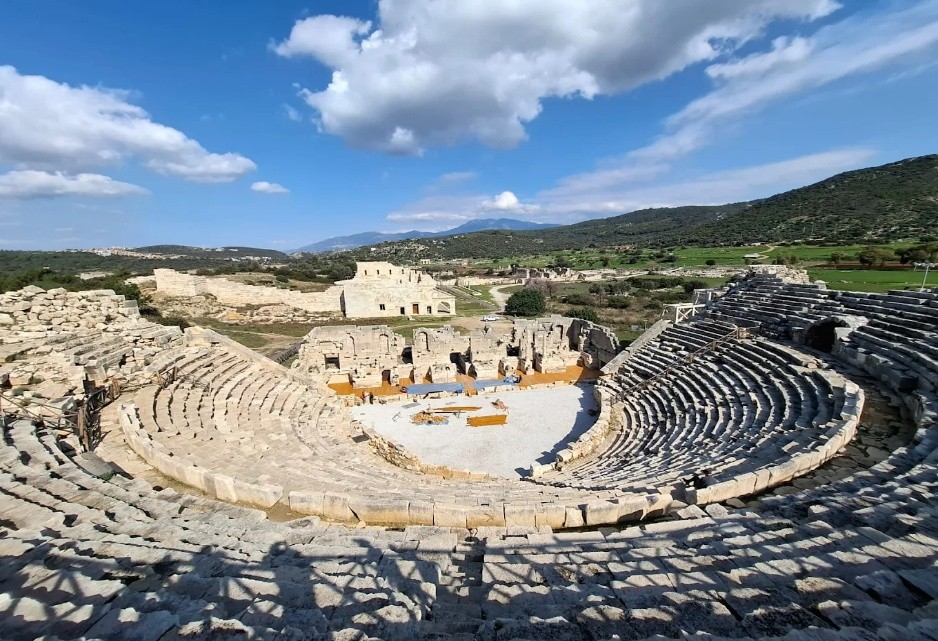
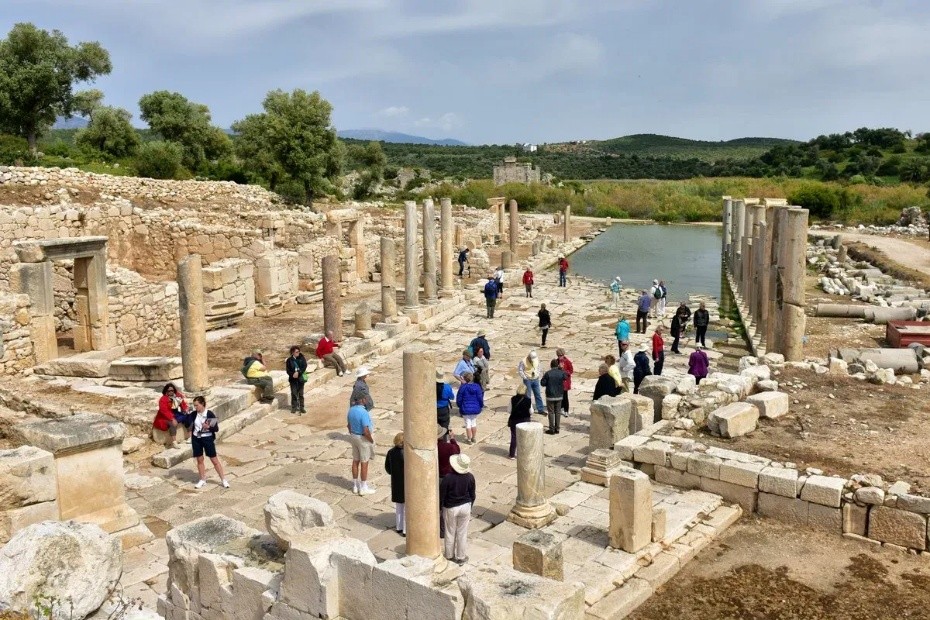
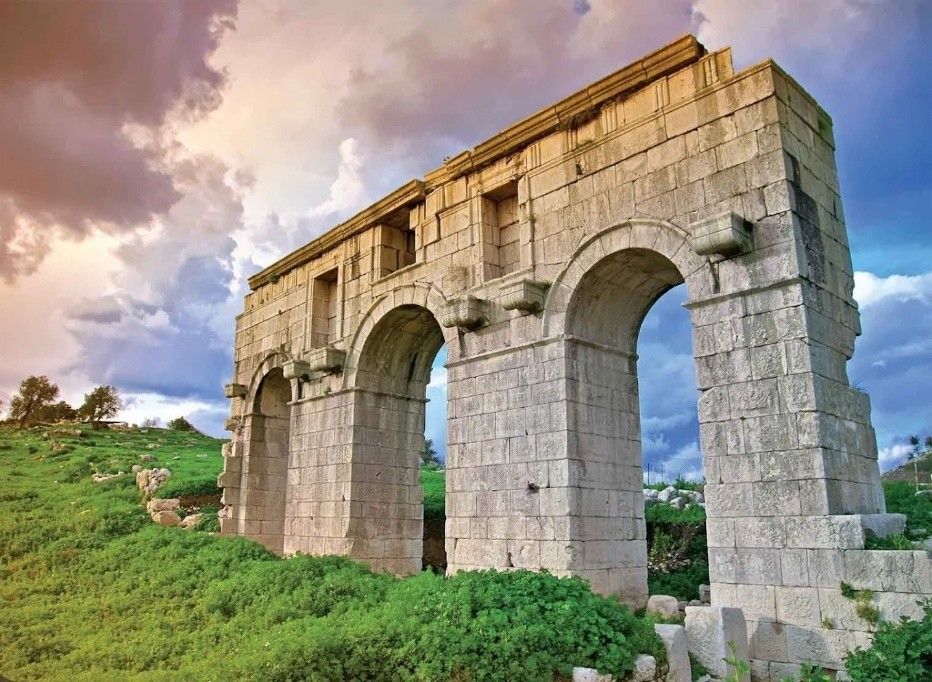
Patara Antik Kenti, günümüzde Fethiye ile Kalkan arasında yer alan Gelemis köyünde bulunmaktadır. Likya’nın en önemli ve en eski kentlerinden biridir. Xanthos Vadisi’nde denize açılabilen tek yer olması nedeniyle, tarih boyunca her dönemde önemli bir kent olmaya devam etmiştir. Şehrin adı, MÖ 13. yüzyıla ait Hitit metinlerinde “Patar” olarak geçmektedir. Likya dilindeki yazıtlarda ve sikkelerde ise “Patara” olarak görülmektedir. Şehrin tarihi Demir Çağı’ndan öncesine kadar uzanmaktadır.
Patara, MÖ 3. yüzyılda Ptolemaios hanedanının egemenliğine girmiş ve Likya’nın önde gelen kenti haline gelmiştir. MÖ 2. yüzyılın başında Likya, Seleukos Krallığı’nın kontrolüne girdiğinde Patara, Likya’nın başkenti olarak kabul edilmiştir. Bu durum, MÖ 167-168 yıllarında Patara’nın Roma’ya karşı özerkliğini ve Rodos’a karşı bağımsızlığını kazanmasıyla resmiyet kazandı ve Patara, Likya Birliği’nin başkenti oldu. Başkentte Helenistik dönemde inşa edilen meclis binası ve tiyatro gibi anıtsal yapılar, bu tarihsel süreci yansıtmaktadır. Roma egemenliğine girdikten sonra da önemini kaybetmeyen Patara, Roma valiliklerinin adli işlerini yürüttüğü bir merkez olmasının yanı sıra, Roma’nın doğu eyaletleriyle bağlantı kurduğu bir deniz üssü olarak da önemini korudu. M.S. 43 yılında Likya, bir Roma eyaleti haline geldi; M.S. 74 yılında Likya ve Pamfilya tek bir devlet altında birleştirildi. Patara’nın başkent statüsü bu dönemde de devam etti.
Patara Antik Kenti’ni gezdikten sonra, serin sularına dalıp öğle yemeğimizi yiyeceğimiz Patara Plajı’nda mola vereceğiz.
Moladan sonra, Xanthos Antik Kenti’ne doğru yola çıkıyoruz.
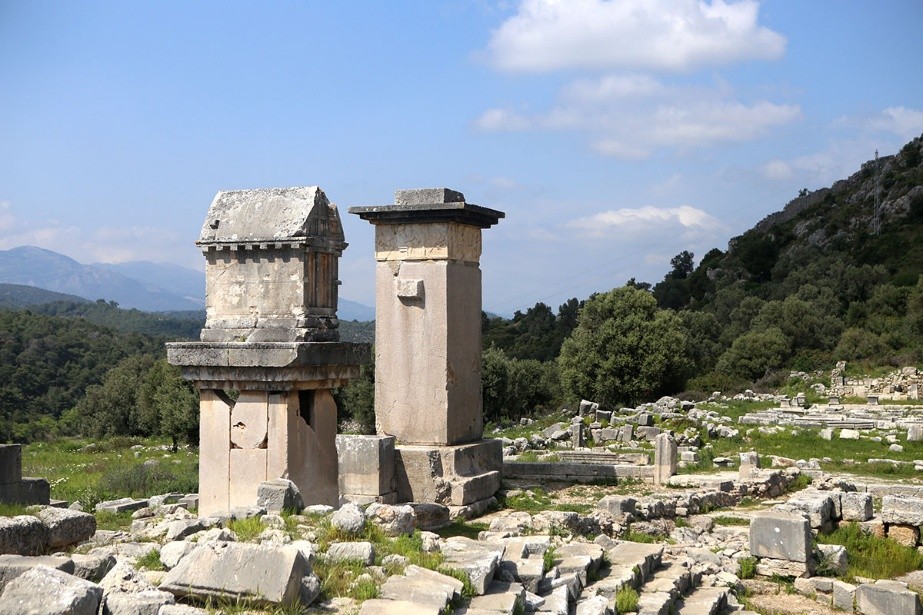
Likya kentleri arasında önemli bir yere sahip olan Xanthos (Santos), Kaş’a 40 km uzaklıktadır. Likya uygarlığının erken dönemlerinde başkent olduğu bilinmektedir. Bölgede kazı çalışmalarına en erken başlanan antik kent olan Xanthos (1950), 1988 yılından beri UNESCO Dünya Kültür Mirası Listesi’nde yer almaktadır.
Tarihçi Herodot, anlatımlarında Xanthos’ta meydana gelen bir olayı da aktarmıştır. M.Ö. 545'te, Pers imparatoru Harpagos'un komutasındaki ordunun saldırısına karşı koyamayan Xanthos savaşçıları, teslim olmaktansa geri dönerek tüm şehri ve ailelerini ateşe vermişlerdir. O sırada şehir dışında bulunan 80 aile geri dönerek yeni göçmenlerle birlikte şehri yeniden inşa etmiştir.
Büyük İskender’in Lykia’yı fethiyle başlayan Helenistik döneme kadar önemini koruyan şehir, daha sonra Patara’nın başkent olmasıyla arka plana çekilmiştir. Bizans döneminin sonuna kadar varlığını sürdüren şehirde, farklı dönemlere ait surlar, akropol, kiliseler, hamamlar, tiyatro yapıları ve anıtlar bulunmaktadır. Xantos'taki mozole anıtları dünya çapında ünlüdür. Çünkü bu anıtlar, 1842 yılında İngiliz gezgin Sir Charles Fellows tarafından İngiltere’ye götürülmüştür. Nereid Anıtı, Harpy Anıtı ve Pavaya Lahiti hâlâ British Museum’da sergilenmektedir.
Ziyaretimizin ardından, konaklayacağımız Fethiye’ye doğru yola çıkıyoruz.
Akşam yemeği otelde.
3
3. Gün
3. GÜN
Otelde kahvaltımızı yaptıktan sonra Fethiye merkezine doğru yola çıkıyoruz.
Fethiye, Türkiye'nin güneybatısındaki Turkuaz Kıyısı'nda yer alan bir liman kenti ve ilçesidir. Doğal limanı, masmavi suları ve şehrin yukarısındaki bir kayalığa oyulmuş MÖ 4. yüzyıldan kalma Amynthas Mezarı da dahil olmak üzere sayısız kaya mezarıyla ünlüdür. Kıyıya yakın adalar, tekneyle yapılan günübirlik geziler için popülerdir. Güneyde, Ölüdeniz plajı bir lagünle korunmaktadır ve Kelebekler Vadisi, koruma altına alınmış bir doğa rezervidir.
Fethiye merkezini ziyaret ettikten sonra, Amynthas Kaya Mezarlarını ziyaret etmek üzere geri dönüş yoluna çıkıyoruz.
Amynthas Kaya Mezarları - Muğla
Tüm Kaya Mezarları Helenistik dönemde inşa edildiğinden, Fethiye’nin geçirdiği tüm medeniyetlere tanıklık etmişlerdir. Bu mezarlar, o dönemde yağmalanmış ve en büyük fiziksel hasarı Hristiyanlık döneminde almıştır.
Dik kayalık yamaçlara oyulmuş çok sayıda kaya mezarı bulunmaktadır; bunlardan üçü tapınak tipindedir, diğerleri ise sivil mimarinin örnekleridir. Tapınak tipi üç mezardan biri olan ve halk arasında "Kral Mezar" olarak bilinen bu mezar, diğer iki mezara kıyasla nispeten sağlam kalmıştır. Bu mezar, İyonik düzenli in antis (anteeler arasında iki sütun bulunan tapınak türü) planına sahip bir tapınağın ön cephesinin kayaya yansıyan şeklidir ve doğu ön duvarının orta bölümündeki "Amintas, Hermapias'ın Oğlu" yazıtından dolayı Amintas Mezarı olarak adlandırılmıştır ve MÖ 4. yüzyıla tarihlenmektedir.
Mezar odasına açılan bölümde, dört ana panele bölünmüş bir kapı tasviri bulunmaktadır. Odanın iç kısmında ise düz ve kaba yontulmuş bir tavan ile üç adet klines yer almaktadır. Şehrin simgesi olan Amintas Kaya Mezarı ve doğudaki aynı dik yamaçta yer alan diğer mezarlar, Likya Bölgesi’ndeki metal ve ahşap zanaatçılığı hakkında bilgi veren en iyi örneklerdir.
Ziyaretimiz sona erdikten sonra Antalya’ya doğru yola çıkıyoruz. Antalya’ya varmadan önce, yol üzerindeki yerel restoranlardan birinde öğle yemeği molası veriyoruz.
Öğle yemeği molasının ardından, Antalya buluşma noktamız olan Özdilek Alışveriş Merkezi’ne doğru yola çıkıyoruz. Burada, Antalya’dan gelen misafirlerimizi transfer araçlarına bindirip Alanya’ya doğru yolumuza devam ediyoruz.
Turun sonu. Güzel bir gün geçirdiğinizi umuyoruz ve bir sonraki turumuzda görüşmek dileğiyle.
Özel bir deneyim mi istiyorsunuz?
Bu tur, grubunuz veya aileniz için tamamen özelleştirilebilir.
WhatsApp'ta sohbet edin
Başlangıç
$350.00 / kişi
Yardım mı lazım?
Seyahat uzmanlarımız mükemmel bir seyahat planlamanıza yardımcı olmaya hazır.
Bir Uzmanla İletişime Geçin →


Alanya, Türkiye merkezli güvenilir seyahat ortağınız. Her seferinde unutulmaz yolculuklar, kusursuz hizmet.
Adres
Alkü Hastane Cad, Oba, No: 17 C Blok
İç kapı No: 1, 07400 Alanya / Antalya
İç kapı No: 1, 07400 Alanya / Antalya
Lisanslı & Akredite Kuruluş
 TURSAB DVS
 Sağlık Türkiye
Hizmetlerimiz
İletişim Bilgileri
WhatsApp
E-posta
Telefon
Konum
Alanya / Antalya, Türkiye
Telif Hakkı 2026 © Statum Travel. Tüm Hakları Saklıdır. | Tarafından oluşturuldu Kipman Medya
Kabul Edilen Ödemeler
VISA